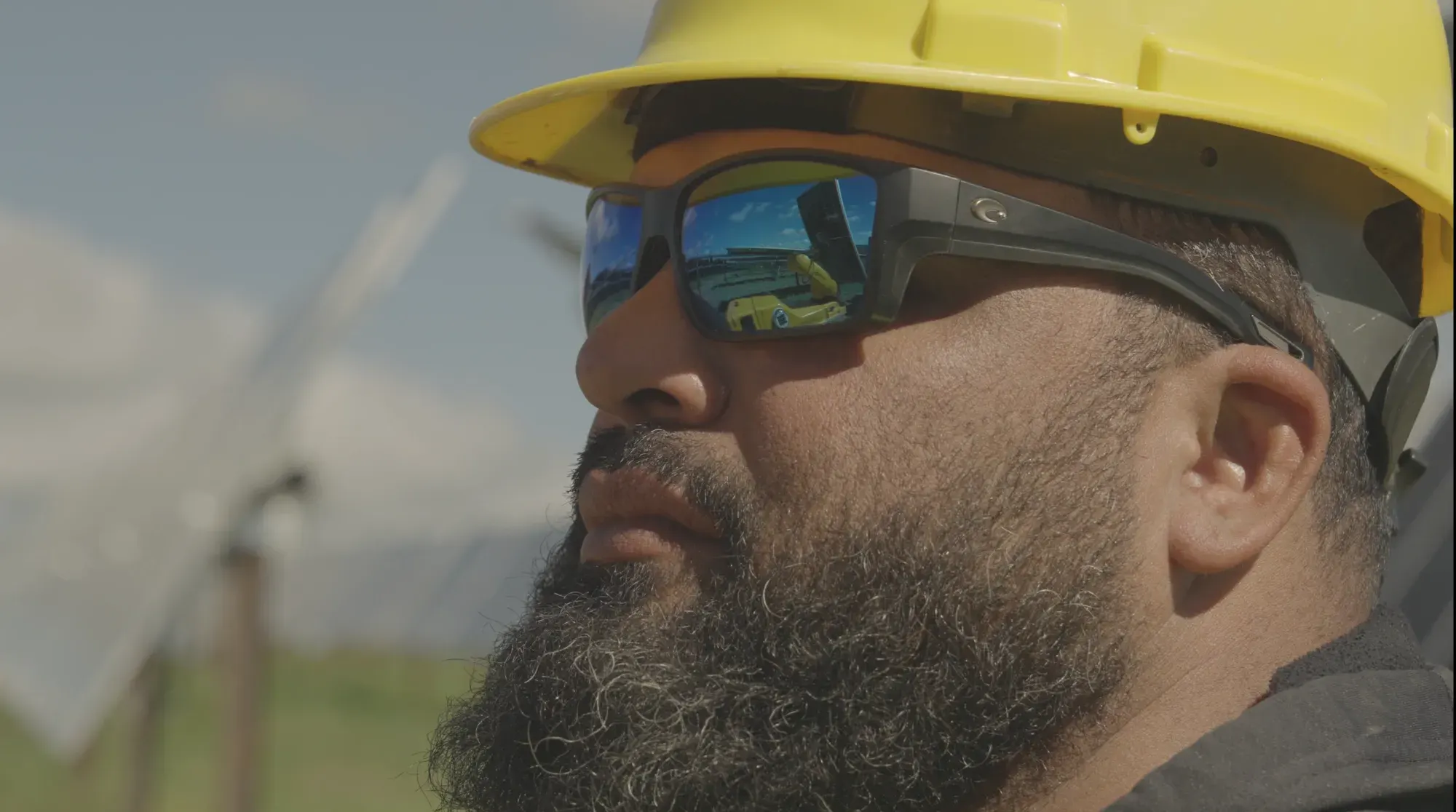
Scales with your project
Add LUMIs to match the size of the site. More robots, more output, a lower cost per solar module.

Luminous Robotics creates autonomous robots to install heavy solar modules on large projects worldwide. LUMI teams take the heaviest work off your crews and keep your build on schedule.
Add LUMIs to match the size of the site. More robots, more output, a lower cost per solar module.
Consistent output every shift, so EPCs and mechanical installers meet their build deadlines.
Built to maximize solar modules installed per shift, from the first row to the last.
LUMI takes the lifting and carrying, so your people run the site instead of doing the hardest work on it.
Pallet LUMI brings the solar modules, Install LUMI sets them on the tracker, and one operator runs the team.
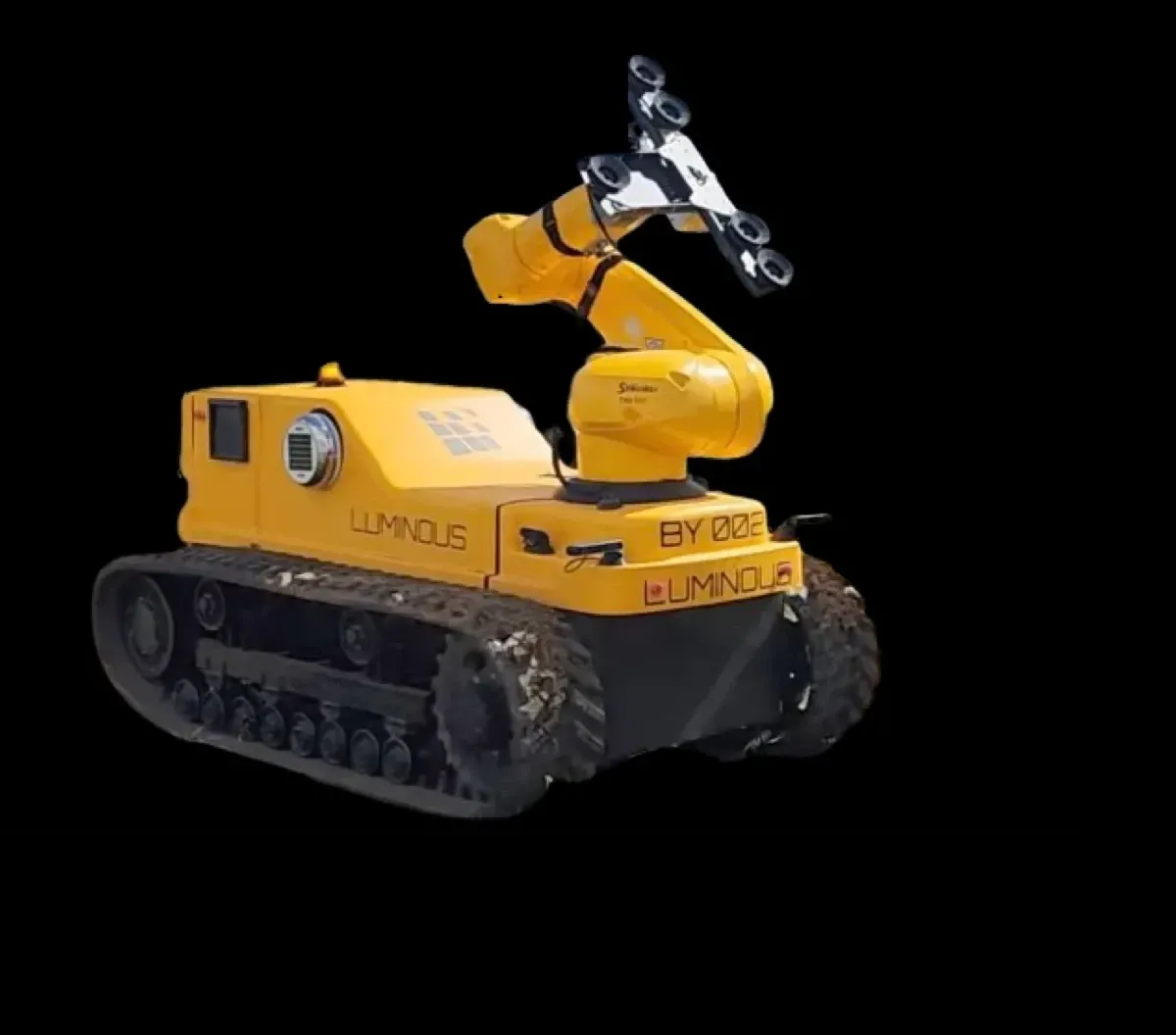
Picks each solar module off the pallet and sets it on the tracker, row after row.
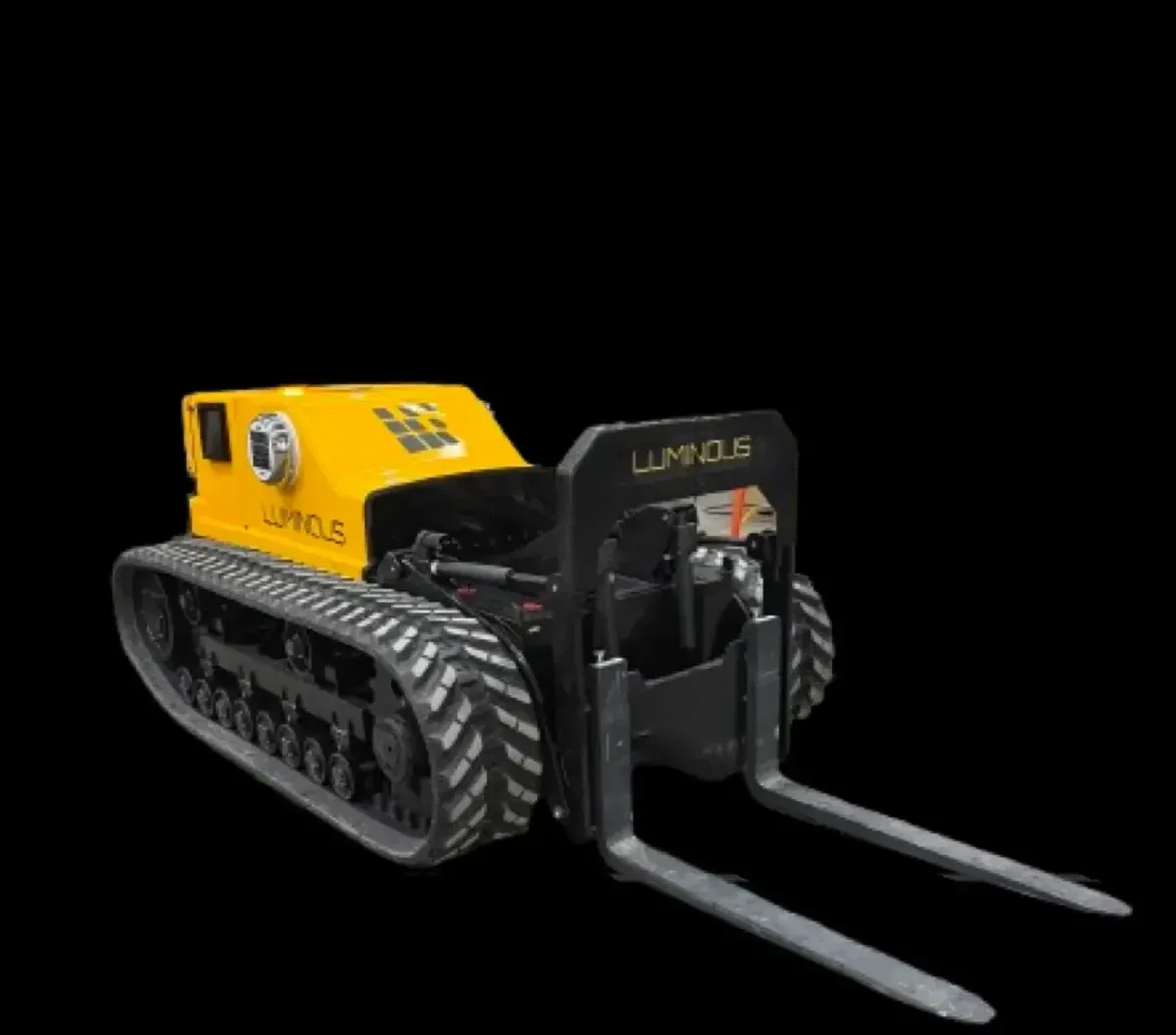
Carries pallets of solar modules down the row and sets them beside Install LUMI.
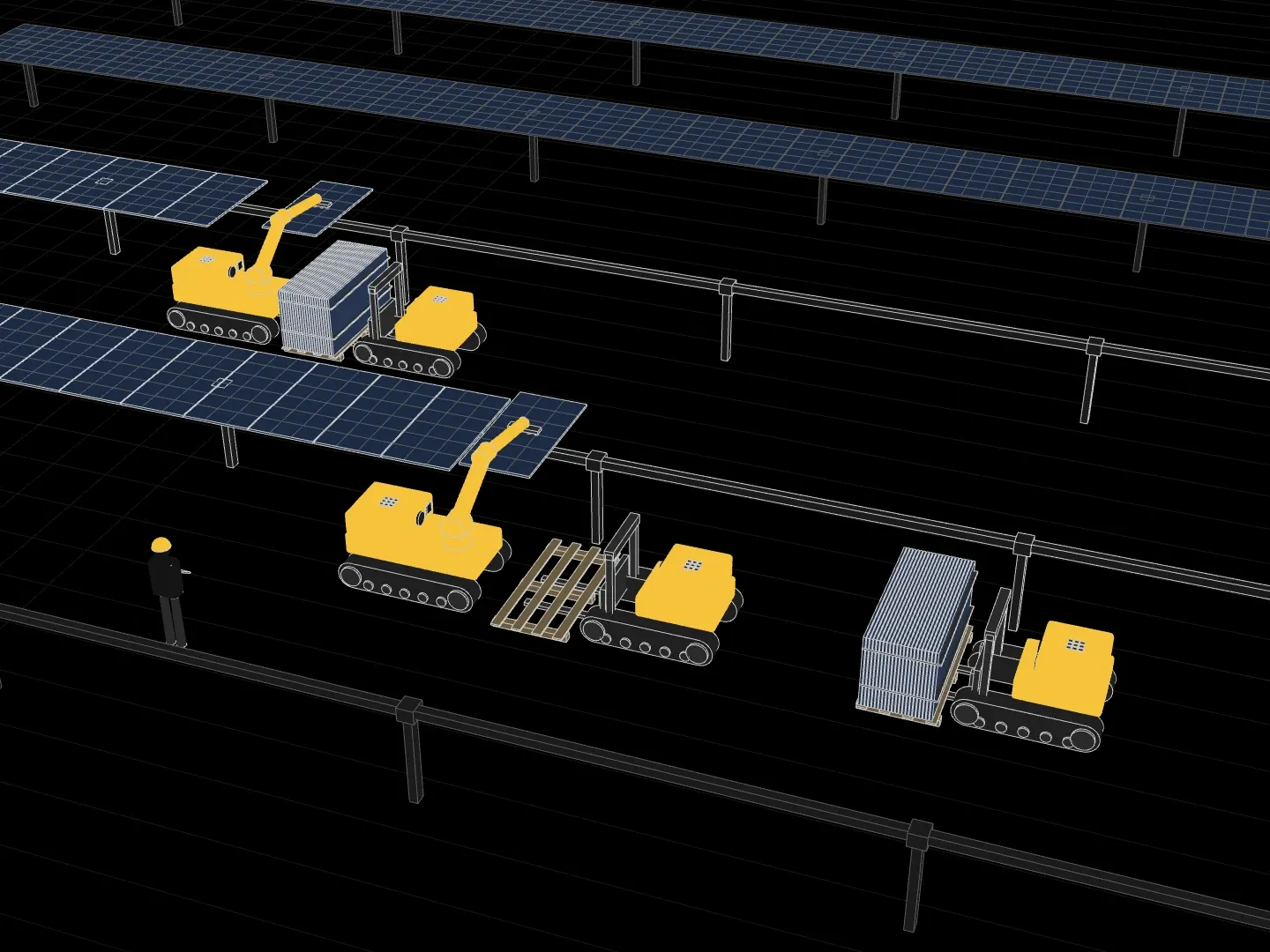
Pallet and Install LUMIs working as one, run by a single operator on a tablet.
From the first site review to the as-built record, one Luminous team runs the job alongside yours.
 Step 1
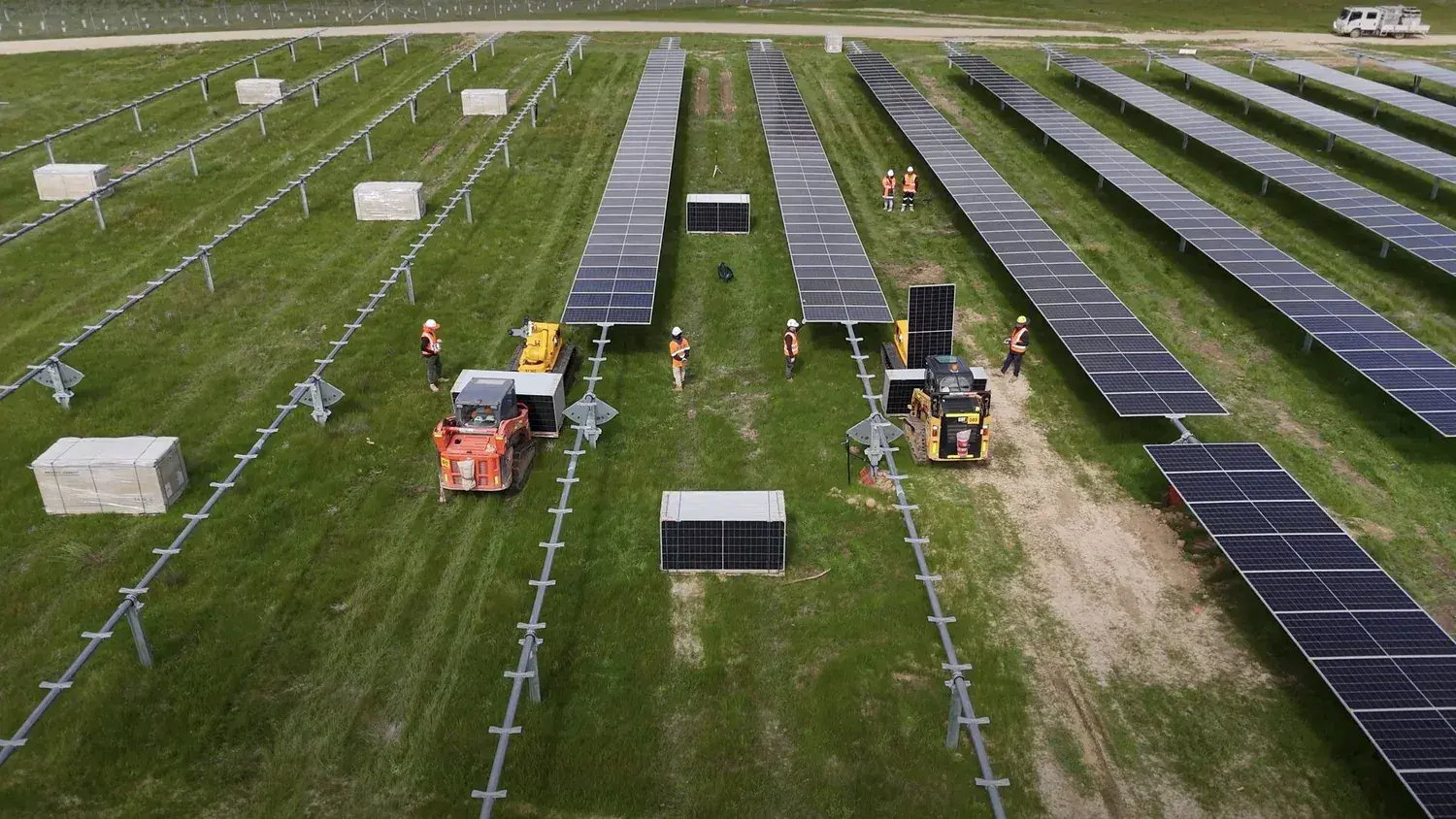
We review your layout, solar modules, tracker and schedule with your team, then size a LUMI Team to the block and the deadline.
Sized to your site and schedule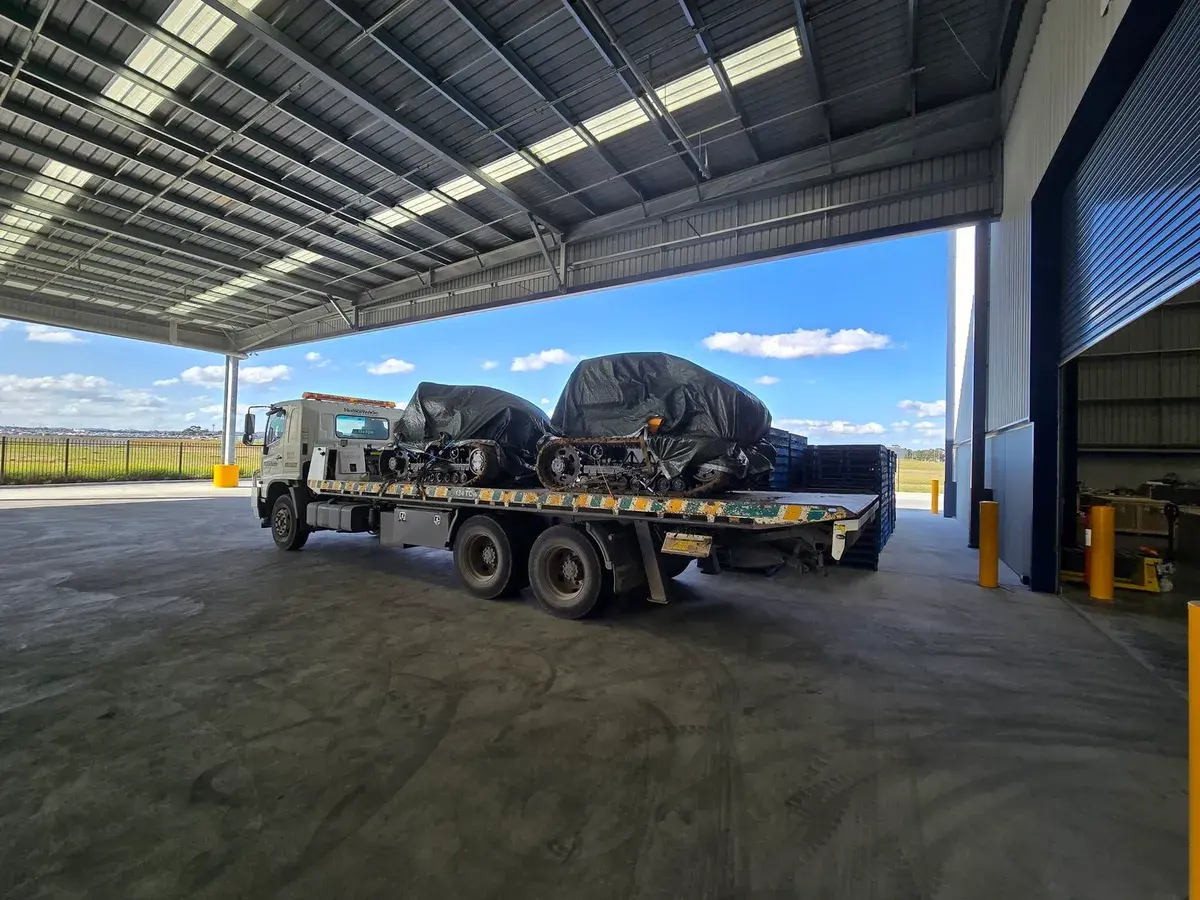 Step 2
LUMIs travel on a standard flatbed and set up next to your laydown yard. They come off the truck and are installing within days.
Under 7 days to mobilize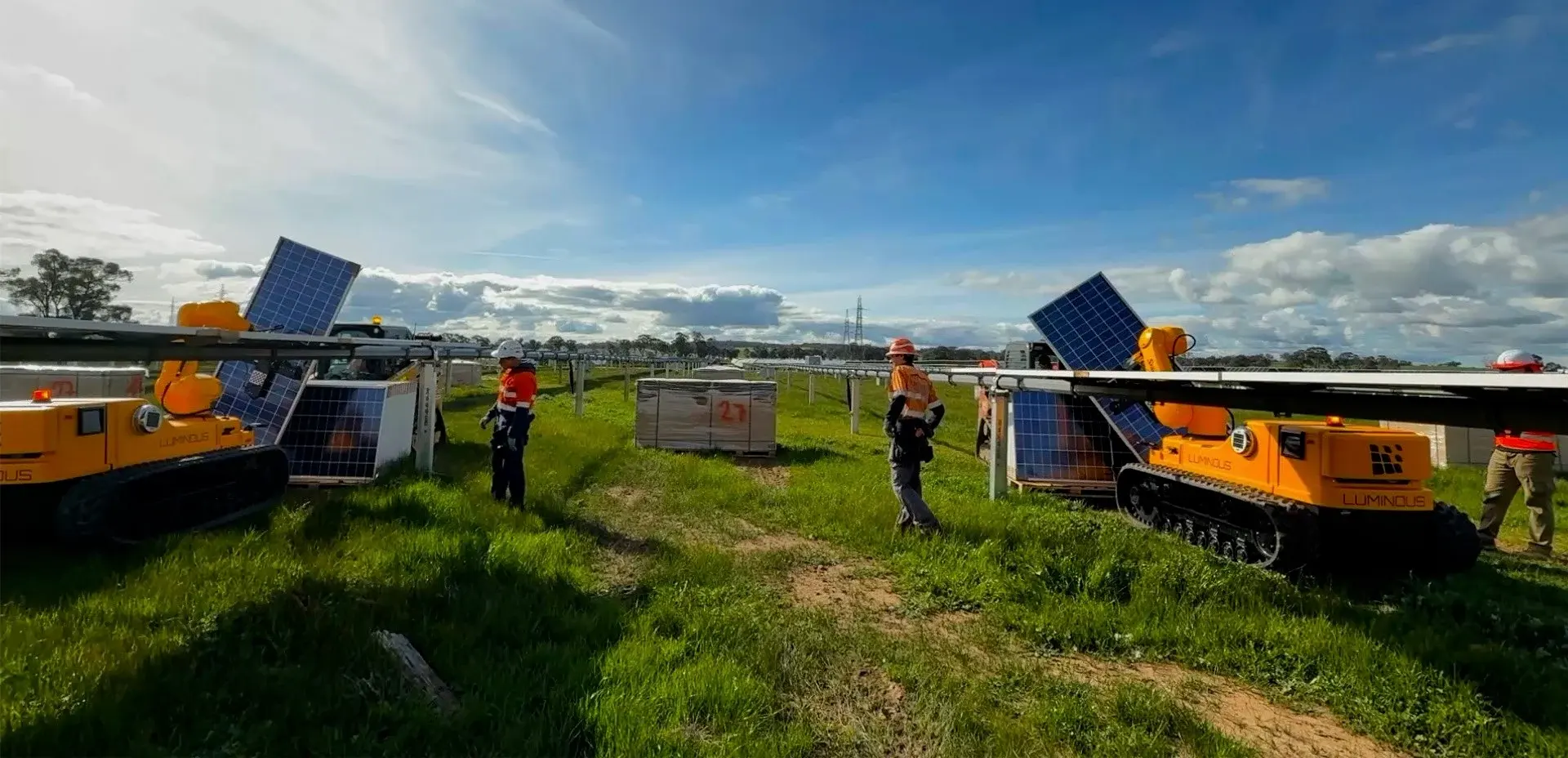 Step 3
One operator supervises the LUMI Team from a tablet. LUMIs lift and set every solar module while your crew fastens, inspects and runs the site.
4.5x more solar modules per crew-hour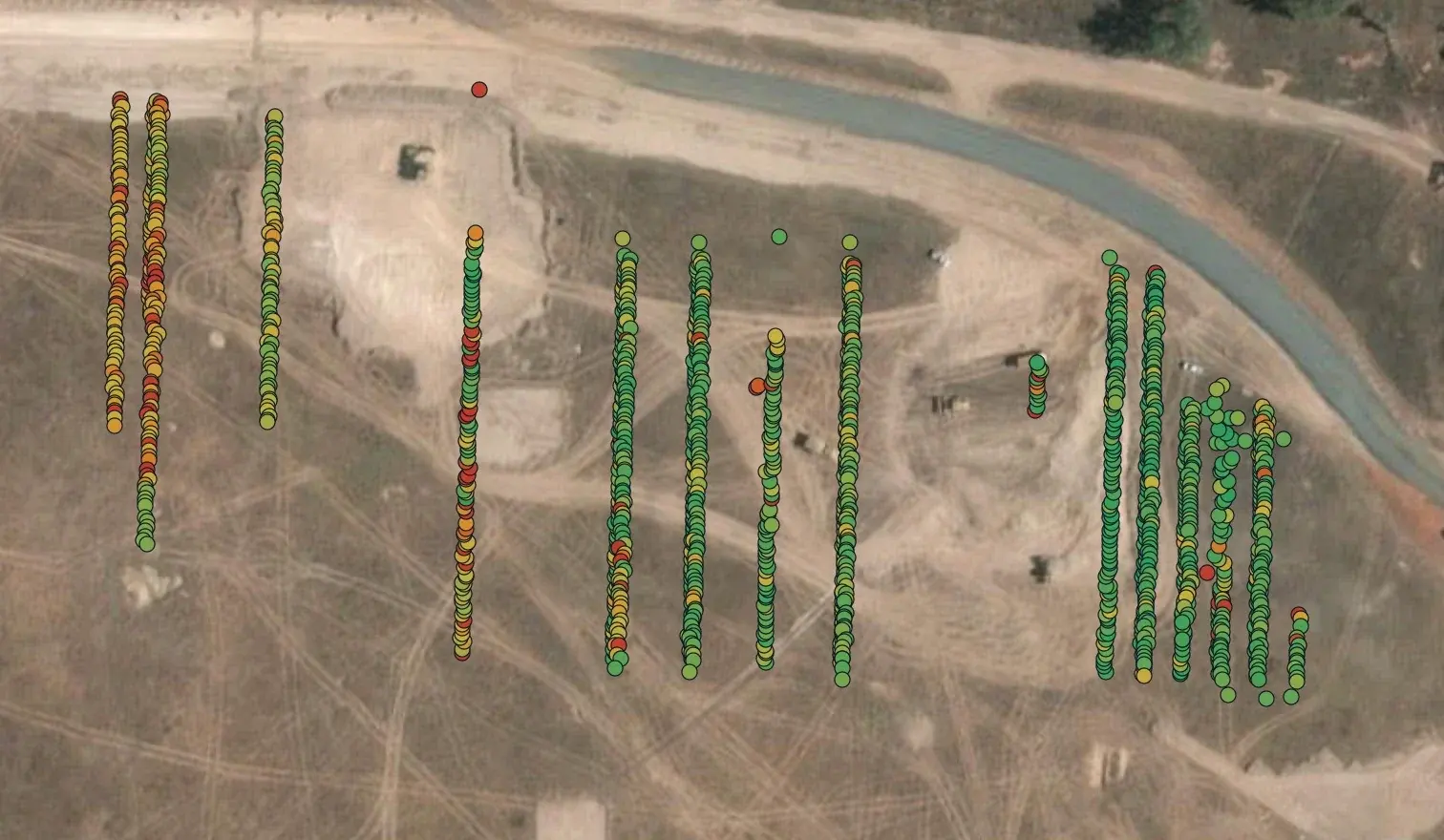 Step 4
Follow progress by block and row in the fleet view. At handover you keep the as-built record, with every solar module located as it went in.
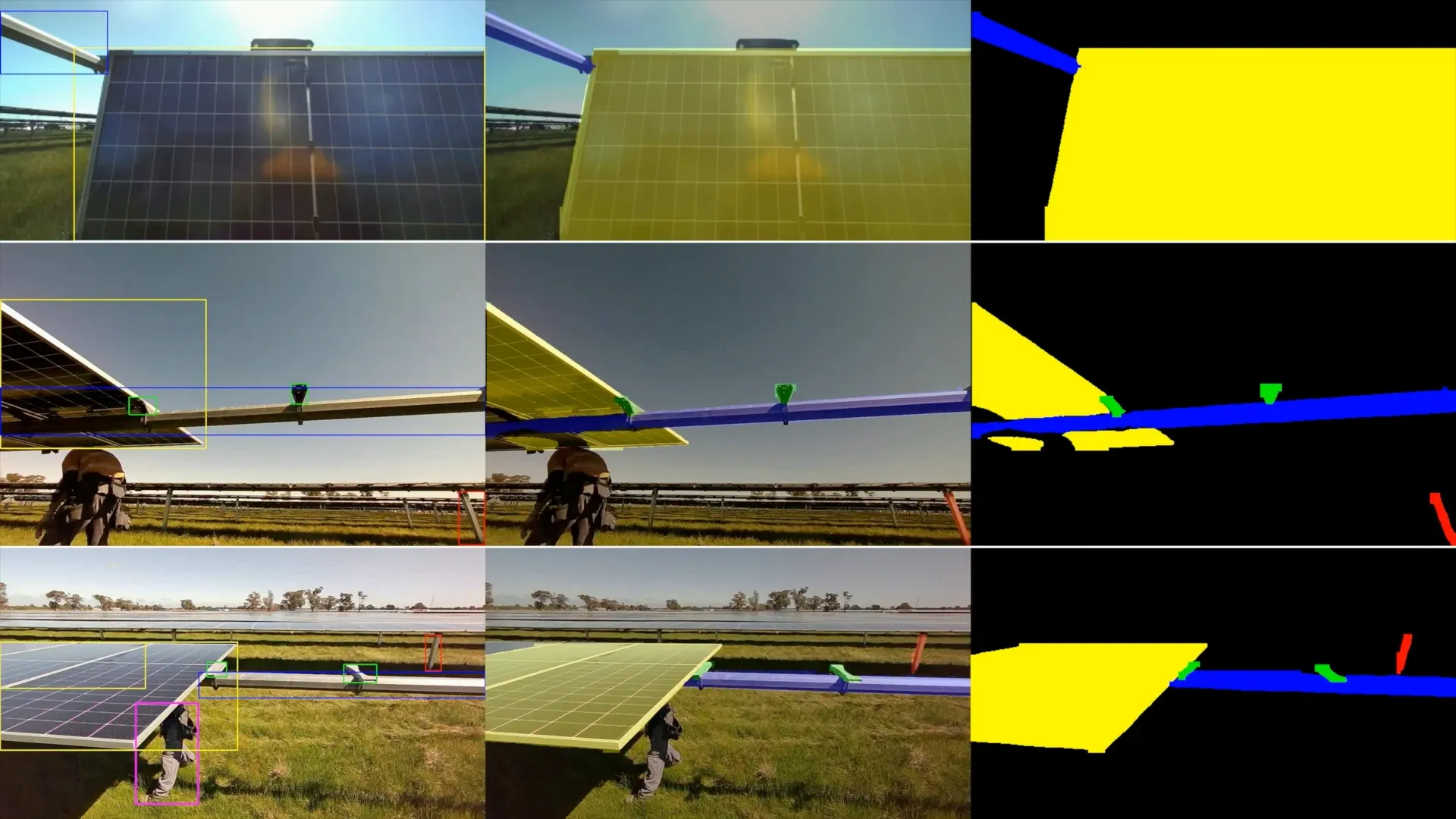
A digital twin of your buildLUMI sees, plans and acts on active solar power plants, alongside the crews that build them.
Sees solar modules, trackers, pallets and people, and finds each placement.
Plans its moves and drives the rows on its own, with one operator supervising.
Records every install, for your build record and to make the next LUMI better.
Tell us about your site and schedule, and we will show you where LUMI fits.